
How fiction mirrors Covid chaos
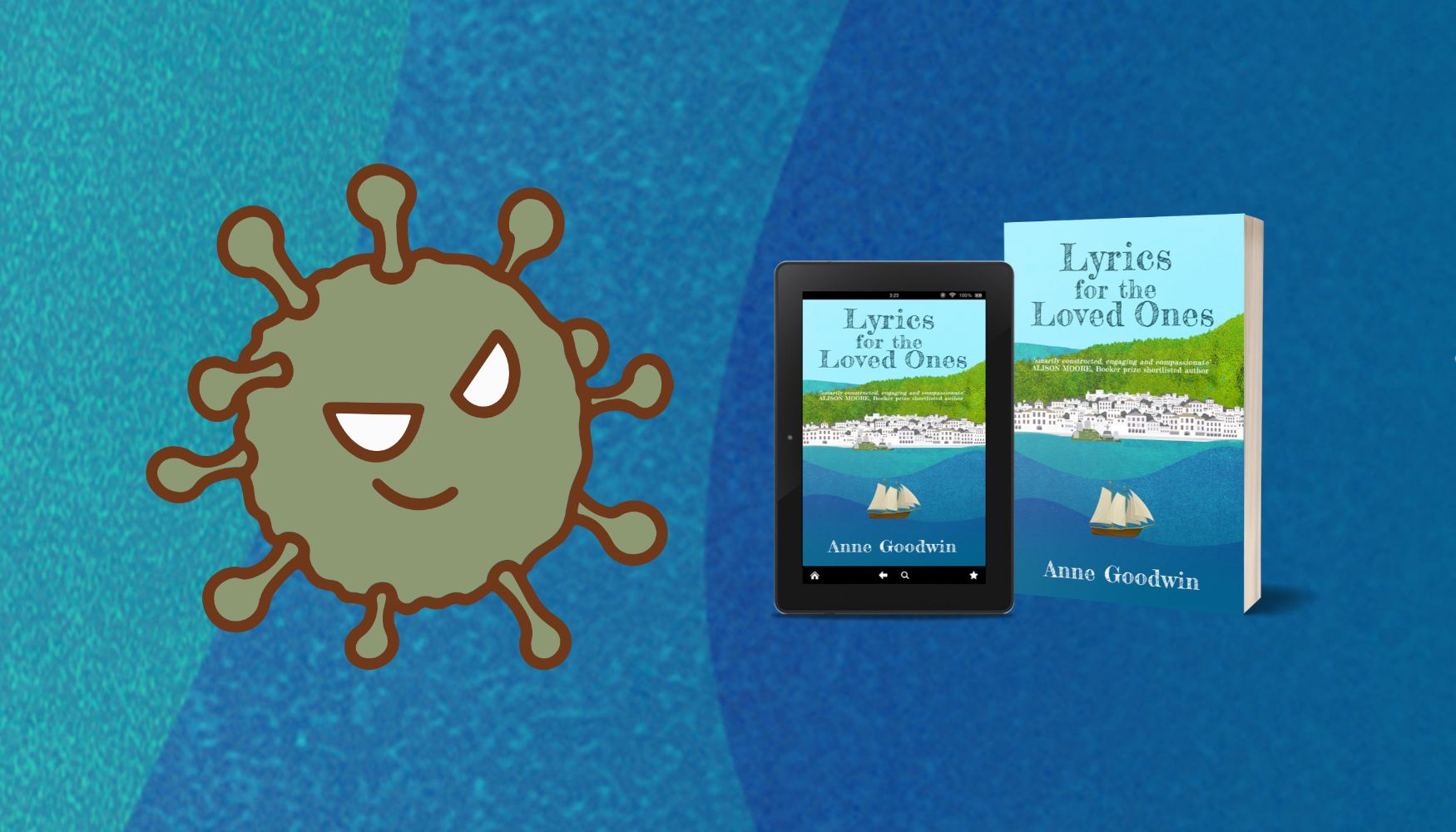
Another chapter of the Covid inquiry was published this week, confirming what we already knew about the British government’s woeful response to the pandemic. Last month’s report focused on care homes, this month it’s track and trace, both of interest to me because the blunders in those areas particularly informed my novel, Lyrics for the Loved Ones.
I wrote about the pressures on key workers and their difficulties accessing the testing they needed to determine whether they should self isolate. I wrote about the stress for their manager from the sudden hike in the cost of PPE. It didn’t require much research: all I had to do was keep an eye on the news.
In this extract (slightly edited for simplicity), care-worker Irene is telling her partner about her manager, Denise, getting unusually flustered.

We’re getting through personal protectives faster than teabags, says Denise. We’ve used as much in a week as we usually do in a month.
Why was she letting it get to her? Was it marital problems or the menopause making her overdramatic? You can put in an extra order, can’t you? It’s business basics. You keep track of your stock and if you run low, if there’s a rush on a particular product, you buy double next time.
You can’t get hod of it, Irene. It’s been on the news. There’s a national shortage of PPE.
When I suggest rinsing it through to recycle it, Denise gurns. You’ll get us shut down.
Have you tried the internet?
Of course I’ve tried the bloody internet. She beckons me to her desk, swings her laptop to show me the screen.
It’s all there: plastic aprons; transparent visors; surgical masks; bright blue gloves and sleeves. NEXTDAY DELIVERY in flashing red capitals. She’s lost the plot. Unless … The supplier’s abroad?
It’s not only foreigners cashing in on the crisis. Denise takes a throwaway fork from her lunchbox and taps the screen. I see a dot of French dressing on the surface and some numbers below. That’s not the price per thousand, she says. It’s not the price per hundred. It’s what they’re charging for a box of ten we’ll have binned in an hour. And there’s VAT on top. Like for luxury chocolates and tampons. It’s gonna bankrupt us.
Well, she had to place an order. She had no choice. Duty of care to the rezzies and to the staff. Feels like this government’s turned its back on care homes, says Denise.
It’s understandable that we’d want to forget those months of anxiety and restrictions. But, hopefully, the inquiry will leave the government better prepared if and when a similar crisis arises in the future.
I also think that well-written fiction can help us process our personal experiences of the pandemic. I’ve read 20 novels that feature the topic, ranging from the first cases in China to its hypothetical legacy four centuries on. These are my favourites. Click on a title to go to a longer review.
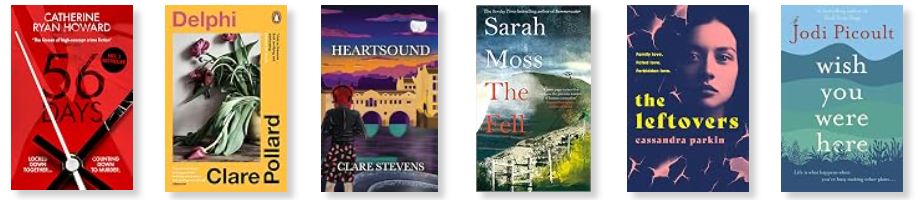
56 Days: When police discover a decomposing body in a Dublin apartment it looks as if lockdown has created the opportunity for the perfect crime. (Thanks to Anne Williams for bringing this one to my attention.)
Delphi: A woman researches a book about prophecy in the ancient world, while juggling a marriage in crisis, working from home and homeschooling her son.
Heartsound: A lockdown clear-out resurrects the music, joys and sorrows of Chrissie’s confusing first love.
The Fell: Supposedly self isolating, Kate sneaks out for a walk – with disastrous consequences.
The Leftovers: A multilayered story of the repercussions of dysfunctional families half hidden behind a veneer of compassion.
Wish You Were Here: A pair of millennials have their lives perfectly planned until a strange new virus ties surgeon Finn to the hospital and Diana heads for the Galapagos alone.

What aspects of the pandemic would you be interested to read about in fiction?
Let me know, I can probably point you to the relevant shelf.


