
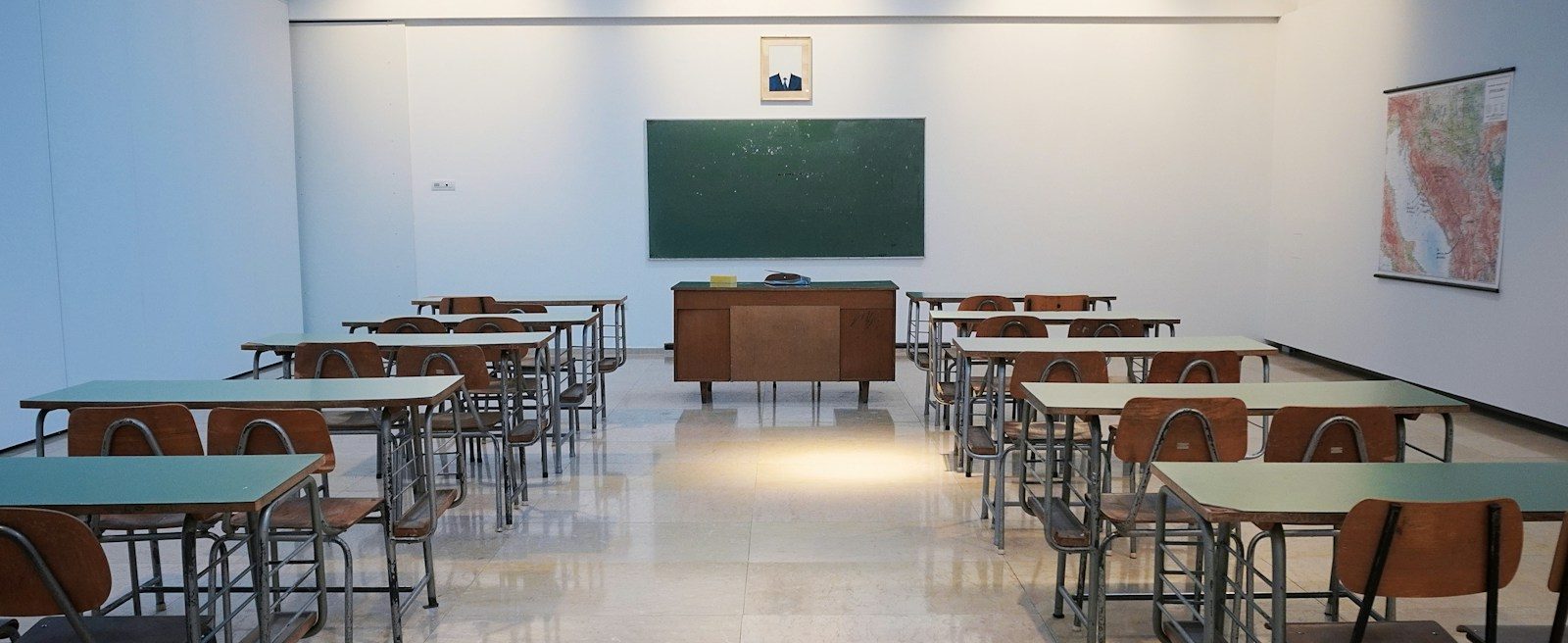
Are you drawn to dark academia?
Genre can be as mystifying as it is helpful in choosing our next read. Sure, it can point us towards books we might particularly enjoy, and steer us away from others that are not to our taste, but genre can be confusing if (for example) we can’t distinguish steampunk from romantasy. I tend to veer towards literary fiction, but that’s very broad church.
It being so long since I was a student, I didn’t pay much attention to the burgeoning genre of dark academia, which rose to prominence during the Covid pandemic. Didn’t pay much attention until I began to wonder if I’d written a dark academia novel myself.
My debut novel, Sugar and Snails, is about Diana Dodsworth, a psychology lecturer with a secret past she fears will destroy her if it comes to light. Although specialising in adolescent development, she remains in denial about her own teenage turbulence. While not a high flyer, she enjoys her work until the new head of department becomes suspicious of her connection to another researcher disgraced for doctoring his data. On top of that, he bullies her into shouldering responsibilities that threaten her sense of self.
Dark, but is it dark enough for the genre? Donna Tartt’s novel, The Secret History, credited with inspiring the current trend, is about a murder at an elite New England college. The central characters in another identified trailblazer, Kazuo Ishiguro’s Never Let Me Go, have been raised to donate their body parts until there’s nothing left of them to give. In Sugar and Snails, Diana risks social death, which might not carry the same sense of jeopardy.
Furthermore, the protagonists in dark academia tend to be a group of students who are wealthier than their teachers. The genre favours elite settings amid magnificent gothic buildings, familiar to some fans less from their experiences of education than from Harry Potter. Such architecture is far removed from the psychology and mathematics departments that my character frequents in Sugar and Snails and more like the asylum in Matilda Windsor Is Coming Home.
In preparing this piece, I almost tumbled down a rabbit hole of academic deconstruction of the genre’s alleged darkness manifest in its Eurocentricity and romanticism of academic life. Published four years ago, Babel by RF Kuang, set in an alternative historical Oxford, exposes and challenges academia’s colonial roots through a collection of characters with marginalised identities undertaking some intricately plotted fictional research.
It was the research I invented for my character Diana that first made me wonder about the dark academia genre. I wanted it to be credible, comprehensible and somehow related to her own teenage crisis. Drawing on my background as a clinical psychologist, I borrowed a methodology from psychosis research and paired it with some of my reading on adolescence. I hope readers find this part plausible. You can read an extract here:
Note: Garth Bradshaw is Diana’s manager.
Garth wiggled up his seat. “Fascinating area – what got you into it?”
I pictured my twenty-one-year-old self, in a scoop-necked peasant blouse and flowery cotton maxi-skirt, knocking on the door of an office one floor up. A third-year module in abnormal psychology had thrown up some fascinating questions about the psychotic mind. When I should’ve been cramming for my finals, I delved instead into obscure papers on loosening of associations, knights-move thinking and selective attention. I was excited by the prospect of bringing the irrational under experimental control.
I’d gone first to the clinicals, but they’d passed me on to the developmentals. “Colin – Dr Carmichael, my supervisor – thought there were parallels between the cognitive processes in schizophrenia and adolescence.”
Garth ran his hand across his buzz cut. “He thought adolescents were psychotic?”
“Not quite. But they made similar processing errors.”
His gaze darted to a photo amid the timetables and flyers for public lectures on the pin-board beside his desk … “No wonder they’re so chaotic. Pity they can’t take advice from those with more life experience.”
“It’s all down to information overload. They get overwhelmed. Should I? Shouldn’t I?” I moved my cupped hands up and down like a balance-scale. “It’s not that they’re not bright enough, not rational enough. They can’t bear the feelings that come with the uncertainty. Their own ambivalence terrifies them. They’ve got so many other changes going on they can’t tolerate not knowing their own minds.”
“So it’s one day they’re vegetarian, the next they’re on the Atkins diet?” Garth no longer judged me from on high, but as a fellow psychological enthusiast.
“Colin and I developed a laboratory task to test it out. We showed our subjects two opaque jars: each containing a hundred balls. One jar held ninety black balls and ten white. The second was the other way round. We took balls at random from one of the jars and presented them one at a time. Subjects had to guess whether the jar contained predominantly black balls or mostly white. There was no limit to how many balls they could ask to see before making their choice. You’d need to see a minimum of eleven balls before you could be sure, but some subjects would hazard a guess after only a couple.”
“Adolescents jumped in too early? Before they had a fair chance of getting it right?”
“We tested them at different ages. Fifteen-year-olds were the least patient. And guessed incorrectly more often than their ten-year-old siblings.”
Garth’s gaze flicked to the family photo on the pin-board. “Amazing!” He shook his head. “So why didn’t you stick with it? Results that striking don’t come along every day.”
Are you drawn to dark academia? Are there any novels in that genre you’d recommend?


