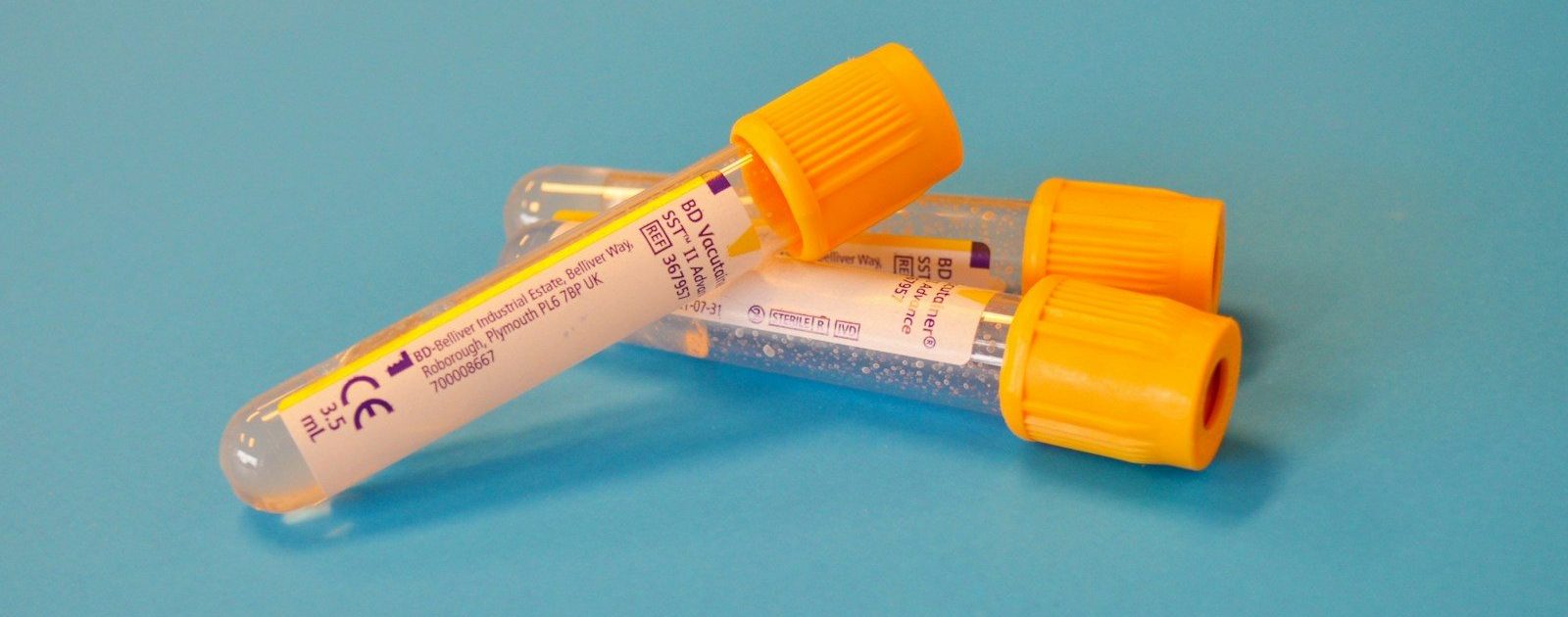
To bleed or not to bleed? That is the question
“Do you think if it was in a glass it could be mistaken for wine?” I asked the phlebotomist.
“Is that for the scene in your historical novel in which a character is leeched?” she did not say.
Neither did she recoil as if I’d grown vampire fangs. Holding the sample tube up to the light, she concluded that venous blood was too dark and thick for wine. Ah well, it wasn’t crucial to the plot and it still might have a place in my novel.
As the busy phlebotomy clinic testifies, blood sampling is a valuable diagnostic tool in contemporary medicine, and I’ve become mildly obsessed with monitoring my results online. Fortunately, far less is taken nowadays than in the age of humoral medicine, when bloodletting was the treatment of choice for everything from toothache to tuberculosis.
There’s no leeching in Charlotte Brontë’s Jane Eyre, but there is a scene with rather a lot of blood. Jane, called one night to attend to a mysteriously injured gentleman, is explicitly instructed to wipe away the blood leaking from the wound.
This puzzled me when I came to write my alternative version. You don’t need to First Aid training to know that applying pressure is the way to stop a bleed.
Was Brontë’s Jane misguided or was preventing clotting considered good practice at the time? After all, if the sick were also subjected to vomits and purging, a little extra blood loss doesn’t seem so bad. Browsing the internet, I even found a reference to patients being bled in preparation for surgery.
It seems amazing now that the enthusiasm for bloodletting persisted well into the nineteenth century, innovations in medicine lagging so far behind those in other sciences. I have a fantasy – alas, too bizarre and premature for my novel – of fashionable ladies travelling by steam train for a prophylactic bloodletting session.
Imagine Jane, eighteen years old, alone at night with a semiconscious stranger, sponging his blood away. A single candle lights the unfamiliar room while strange noises emanate from the other side of the door. She’s determined to do her best for her patient, but is she doing the right thing?
The British Society for the History of Medicine kindly put me in touch with retired surgeon and eminent historian of military medicine, Mick Crumplin, who graciously answered my somewhat simplistic question. He confirmed that people did know about stopping bleeding in the early nineteenth century – they even used tourniquets – but might drain the blood if sepsis was suspected. He also informed me that several leeches at a time would be used for bloodletting, so I hope readers will forgive me that my fictional doctor uses only one.
Although there are no war scenes in my novel, Jane does glimpse the repercussions in the form of a wounded soldier begging in the street. So I thought I’d take the opportunity to virtually attend Mr Crumplin’s 2018 lecture to the Royal College of Physicians of Edinburgh on the Battle of Waterloo.
This talk explores the various stages of the Battle of Waterloo (1815), highlighting particular medical issues of the campaign. The Army Medical Department was ill-prepared. Over the long Peninsular War (1808-14), it had been honed into an efficient force by Sir James McGrigor and his ‘Medical Gentlemen’, as Wellington called them. However, many of these surgeons had since dispersed and were worn out. The Scots’ input to the war, injuries sustained, and aspects of wounds and surgical treatment are addressed, including the challenges for surgeons working without antisepsis, anaesthesia, nursing and the modern understanding of physiological trauma that we possess today. (Text from YouTube.)
Surgical procedures start at 37 minutes